
The sweet taste of honey straight from a hive… the soothing sound of flowing water from a nearby creek… the smell of freshly grown vegetables straight from the garden… While these simple aspects of nature can often go overlooked, they’ve become the highlight of our students’ days across the district.
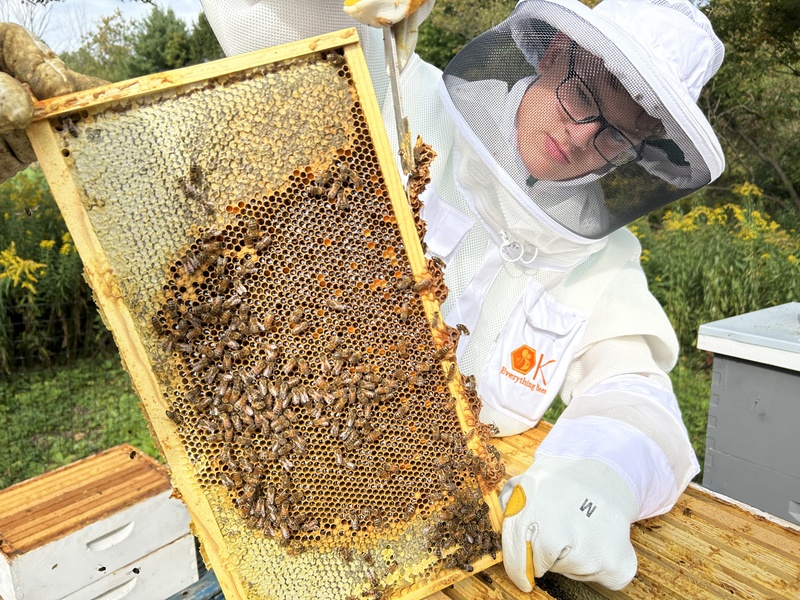
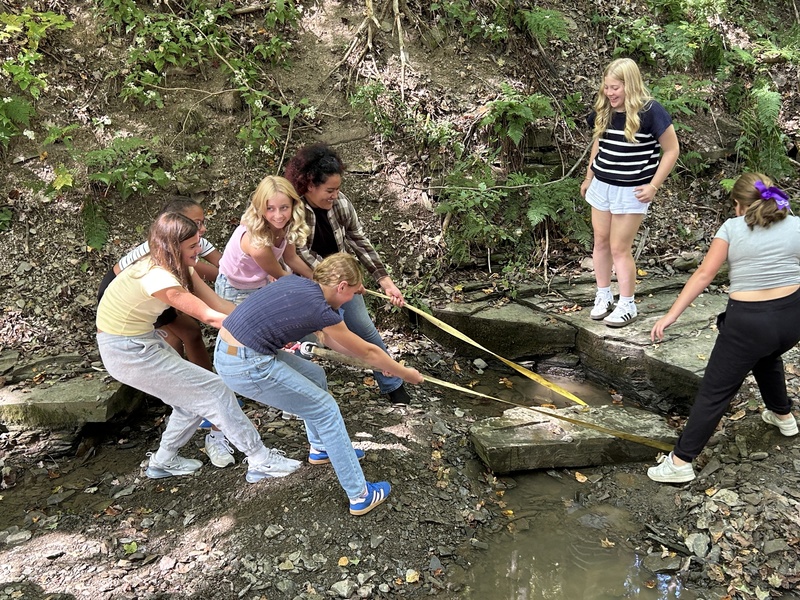
On any given day at the high school, students step into professional beekeeping suits, eager to witness the latest developments from nearby hives. A few miles away, middle schoolers stand ankle-deep in a creek, building dams, collecting acorns, and identifying insects and trees. At the elementary level, tiny hands dig into garden beds, planting vegetables that will one day help feed members of the community.
At a time when many students across the country are spending more time indoors and on screens than ever before, Maine-Endwell is taking a different approach - one rooted in fresh air, hands-on learning, and reconnecting students with the natural world.
According to Michael Easter, author of The Comfort Crisis, “modern Americans spend 92-93% of their time indoors and children spend 50% less time outdoors than their parent did.” Mental health experts and educators alike have increasingly pointed to the importance of outdoor learning, physical activity, and reducing screen dependency to support student well-being, focus, and emotional health.
At Maine-Endwell, those lessons are happening every day - not just inside classrooms, but far beyond them.
“When kids do hands-on activities, whether it’s learning about honeybees, tapping trees, planting gardens, or just observing ecosystems, they’re not just ‘learning about nature,’ they’re building a relationship with it. That’s a big difference. Facts can fade, but experiences stick. A student who’s watched honey being made or sap dripping from a tree starts to see the environment as something alive and worth caring about, not just a chapter in a textbook,” said Nate Brown, Technology Teacher at the High School.
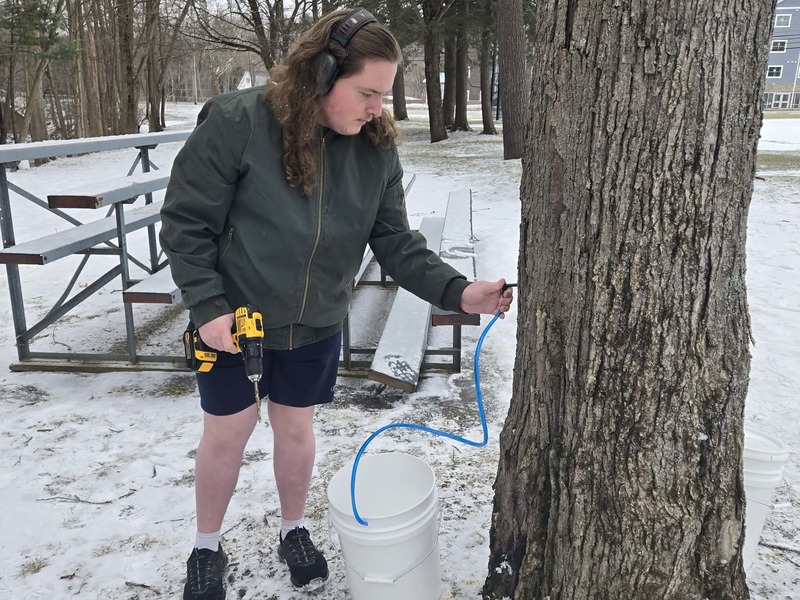
Brown, a third-generation beekeeper leads the high school’s Beekeeping Club while also teaching sustainability courses. Students suit up during 10th period to care for the hives, learning firsthand about pollination, ecosystems, and food sustainability. Earlier in the day, high schoolers are tapping maple trees to produce syrup while learning about environmental science and conservation.
Just up the road at Maine-Endwell Middle School, the outdoors has become one of the most anticipated parts of the school day.
“The number one question that I'm asked at the beginning of wellness class is, ‘are we going outside today?’ And on those days that I have to say ‘no,’ I can expect my answer to be met with sincere disappointment,” said Matt Simek, Health and Wellness Teacher at the Middle School.
“All students are rejuvenated by fresh air, sunshine, and a few minutes of freedom from the typical classroom. It's the highlight of my day when I watch students explore and discover things in nature for the first time, but the positive impact it has on their mental health is even better!” said Simek.
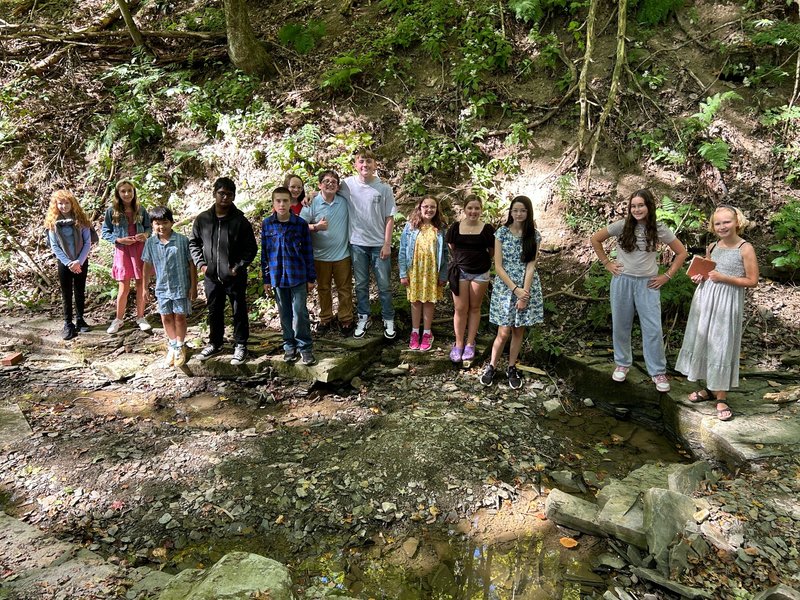
He says today’s students are growing up in a world where entertainment and connection are increasingly tied to devices and screens. But spend just a few minutes with one of his health and wellness classes and you’ll quickly find – sometimes even a few minutes of fresh air can be the highlight of a child’s day.
“The advancement of technology is ‘entertaining’ our kids and students so often that the idea of going outdoors is becoming unnecessary to them...everything they could possibly want is just a click away. But I can tell you from my experience with watching students step outside and engage with nature, they quickly realize that some of their best moments don’t come from a screen, they come from exploring, moving, and simply being present in the outdoors,” Simek said.
That same philosophy is taking root at the elementary level.
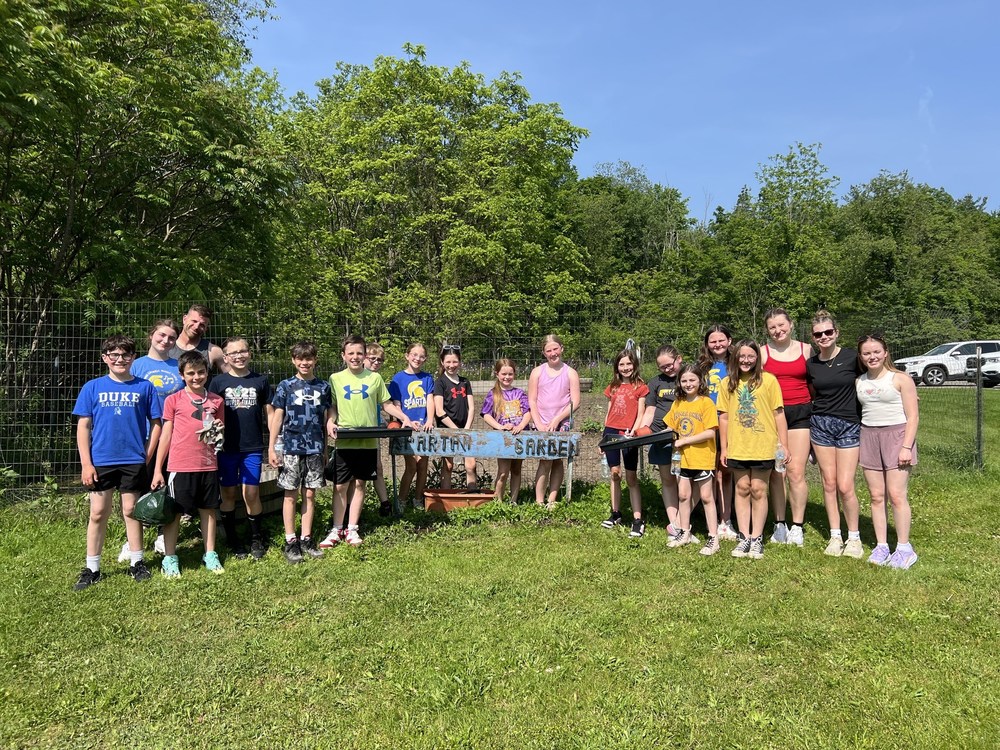
Last year, Maine-Endwell High School student Angelina Battaglini helped revive the Spartan Garden on Hooper Road, alongside Homer Brink teacher Taylor Norton and a group of elementary students. Together, they weren’t afraid to get their hands dirty - planting herbs and vegetables that would later be donated to local charities and organizations. Lessons like these are blending outdoor learning with community service.
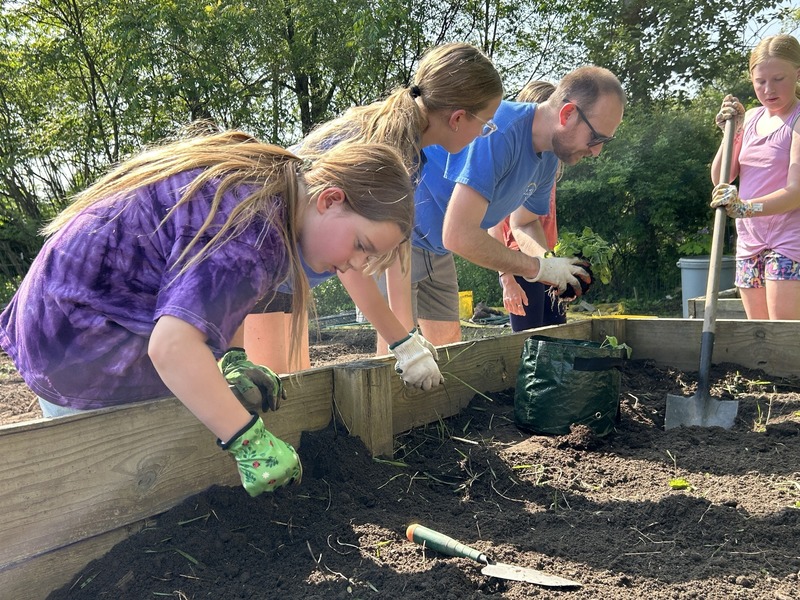
“In response, now more than ever, students want and need to connect with the outdoors. There appears to be a growing lack of connection and experience with the natural world,” said Norton.
For students, the garden quickly became more than just a project.
“Children learn by exploring and doing. Through the Spartan Garden, students learn the experience and value of taking care of a living thing, cultivating it, and reaping the benefit of seeing something organic mature and survive. There's also value in the physical labor, sweat, and dirt that encourages the students' sense of accomplishment. It's tangible evidence that we got something done! It's even more meaningful when the harvest is able to be donated to a need in the community,” Norton said.
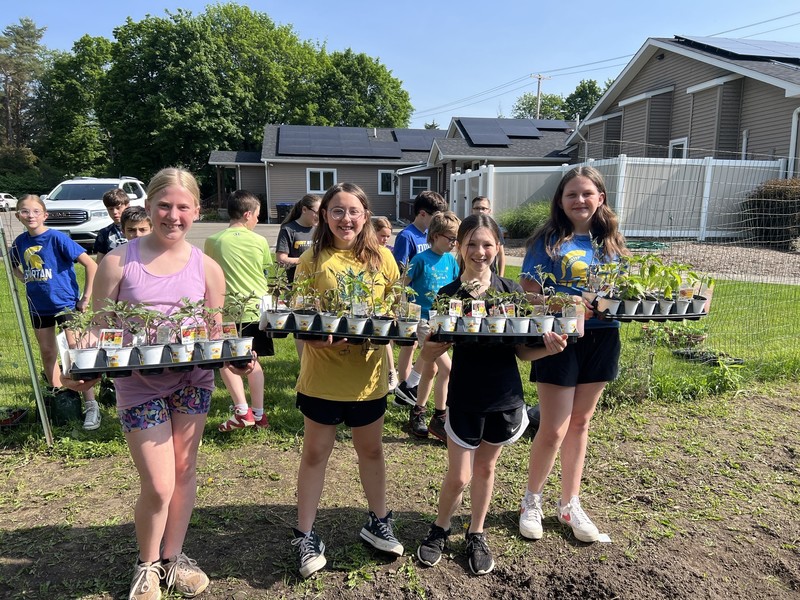
Across the district at Maine Memorial Elementary, students continue that connection to nature after school through Garden Club, where vegetables, pollinator gardens, and native plants fill the outdoor space surrounding the school.
For Bridget Connors, Occupational Therapist and Garden Club Facilitator, the benefits of outdoor experiences are visible every day.
“Being the garden club facilitator has been such an amazing experience! As an OT and an avid gardener, myself, I am acutely aware of the sensory rich experiences that gardening and being outdoors can provide. There is nothing more rewarding than getting the students outside with their hands in the dirt,” Connors said.
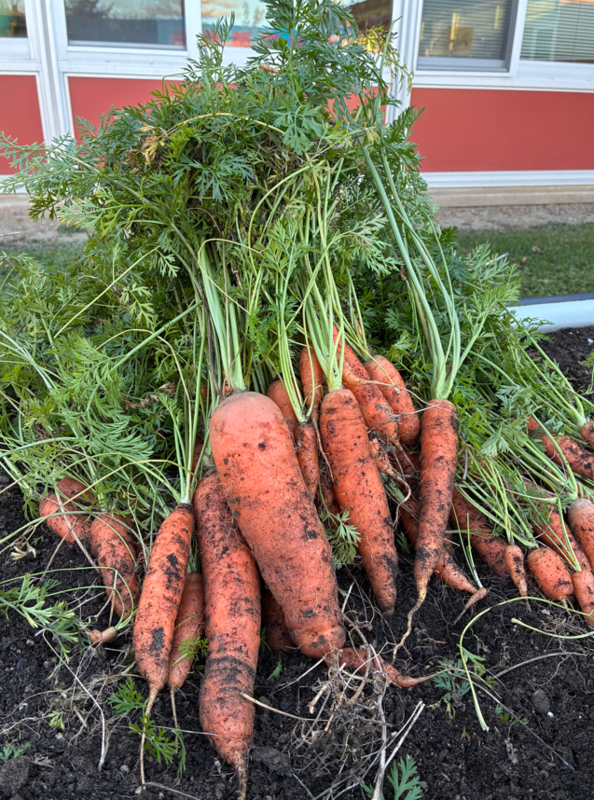
“In my role as an OT, I see firsthand how development is being so drastically impacted by increased screen time. It changes the way students physically develop, the way they play, and the way they are able to show up in the classroom,” Connors said.
That’s why she believes experiences outdoors are more important now than ever before.
“It brings me so much joy to be able to combat some of those effects, even if it's just helping a student realize that food doesn't come from a grocery store or that getting messy can be a good thing! I love being able to provide a space for the students to unwind, connect with nature, and connect with each other,” Connors said.
She also credits the many teachers and volunteers who help the gardens thrive year-round, including students planting garlic, pumpkins, zinnias, and pollinator gardens throughout the building.
While technology will always remain part of education and modern life, educators across Maine-Endwell believe balance matters. Sometimes the best lessons don’t happen through a screen - they happen while standing in a creek, harvesting honey, planting seeds, or simply stepping outside and reconnecting with the world around us.